Tidal Ledger
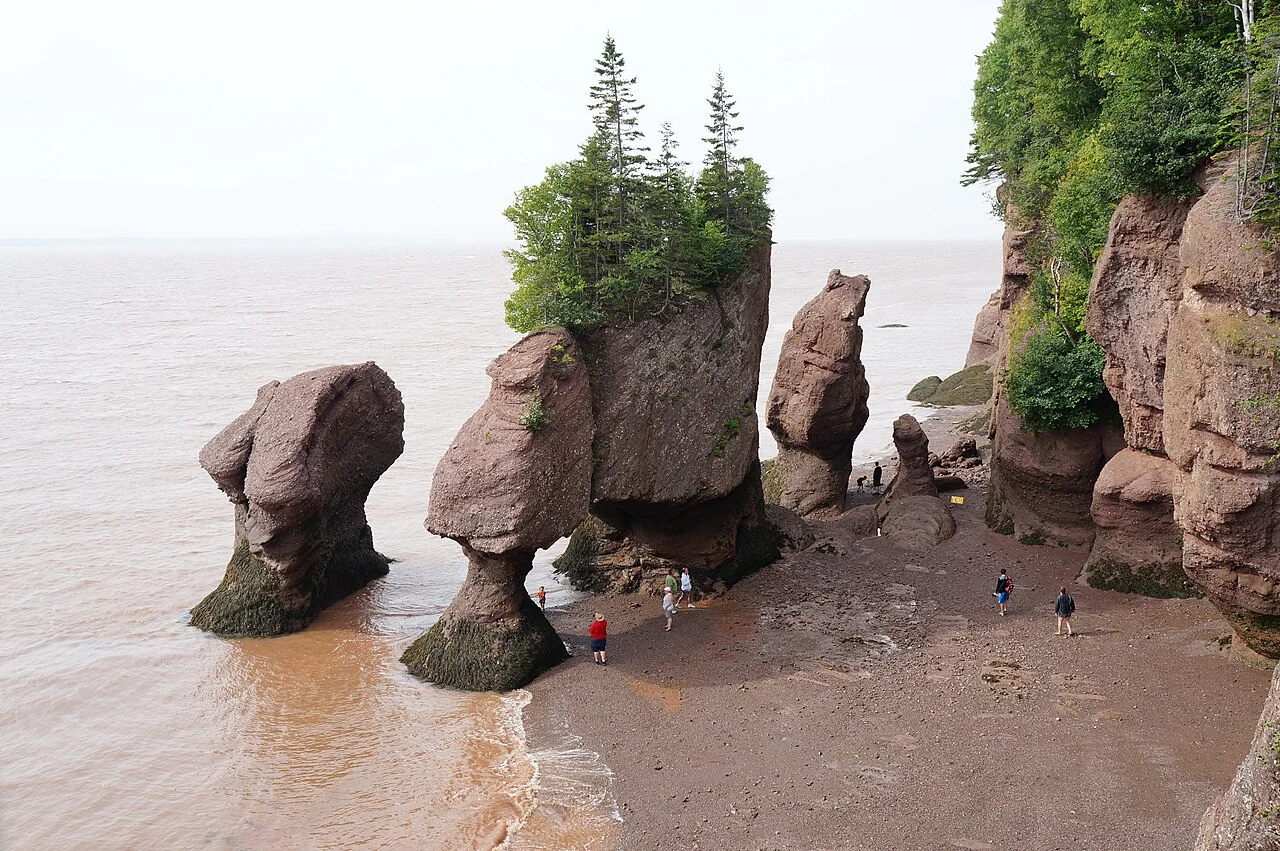
Visitors walk below the Hopewell Rocks at low tide in New Brunswick.
Hopewell Rocks at low tide in New Brunswick, photographed in July 2016.Jiaqian AirplaneFan · CC BY 3.0

Canadian coasts, tides and marine ecosystems

Read the coast.

Read Canada's coasts through the processes that shape them. Tidal Ledger follows Fundy's tidal rhythm, the sheltered life of eelgrass, kelp restoration in Gwaii Haanas, and Arctic sea ice, connecting marine habitats with explanations drawn from official Canadian scientific sources.

Chapter 01

Tidal processes

The rhythm behind Fundy's changing shore

At the Bay of Fundy, the same shoreline can look radically different within a few hours. The large tidal range comes from the interaction between an oceanic pulse and the bay itself, while the regularly exposed shore supports distinctive habitats.

Read the story
Chapter 02

Marine habitats

The coastal meadow beneath shallow water

Eelgrass grows in Canadian coastal and estuarine waters, where its beds provide structure for animals and influence the movement of sediment. Understanding this habitat means looking beneath the surface and reading distribution maps as records of observation, with dates and limits.

Read the story
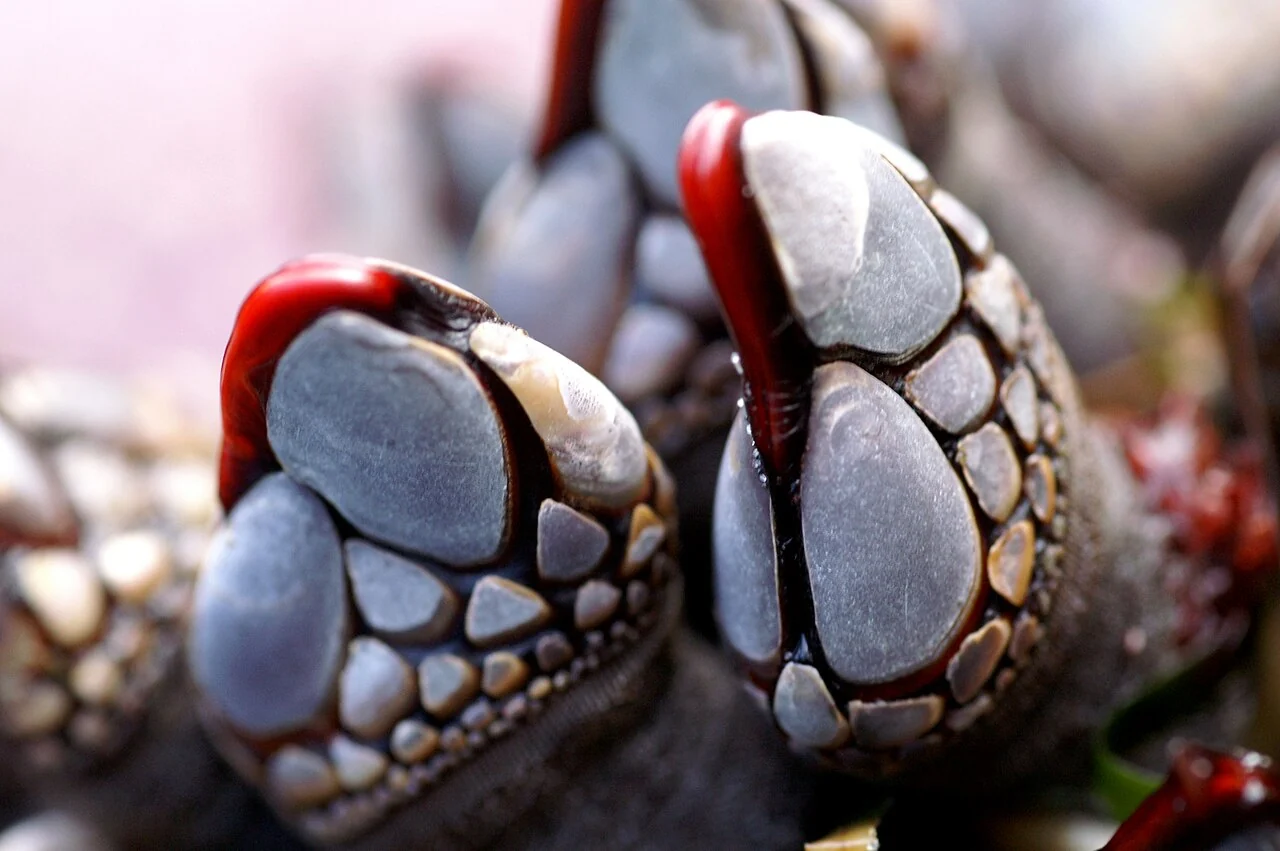
Gooseneck barnacles in a tide pool at Point-No-Point on Vancouver Island.
Pollicipes polymerus barnacles in a tide pool at Point-No-Point, Vancouver Island, June 2007.Minette Layne · CC BY-SA 2.0
Chapter 03

Pacific ecosystems

Kelp, urchins, and the work of restoring habitat

In Gwaii Haanas, kelp forests connect marine life with the coast and its communities. A restoration project documented by Parks Canada shows how relationships between predators, grazers, and kelp can guide practical work and long-term observation beneath the sea.

Read the story
Chapter 04

Arctic waters

Sea ice is habitat, route, and scientific record

Sea ice changes how the Arctic Ocean exchanges energy, supports animals, and connects coastal places. Canadian scientific reports distinguish several kinds of ice and several ways of observing them, revealing an environment with both local detail and connections across ocean basins.

Read the story